
Semaglutide (Semax Nasal 50mg/30ml)
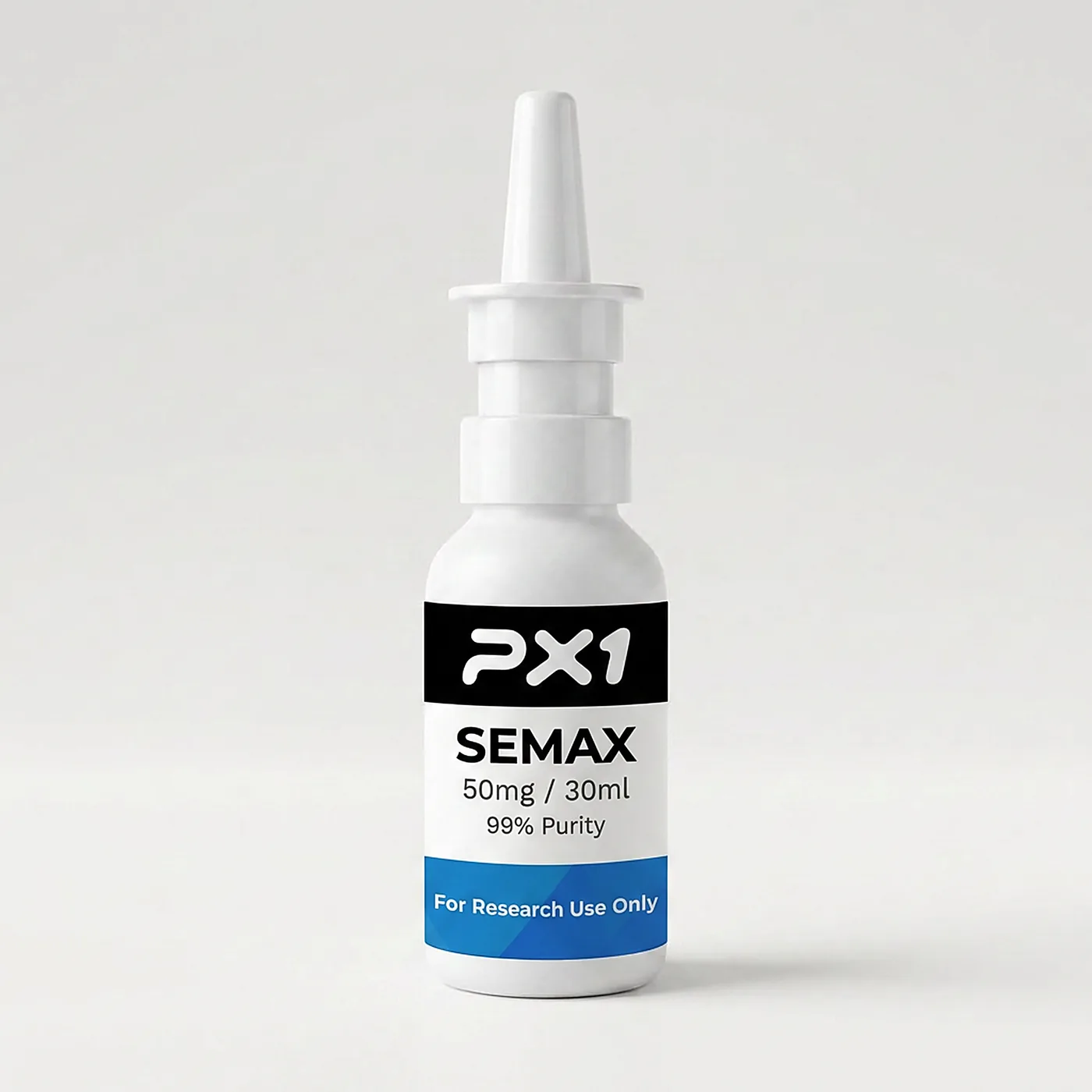
Semax Nasal 50mg/30ml
Research-Grade Peptide · 99%+ Purity · COA Certified
Made in the USA
Ships from the USA
Research-Grade Peptide · 99%+ Purity · COA Certified
Semax Nasal 50mg/30ml
Also searched as semaglutide, sema, semaglutide peptide, buy semaglutide, semaglutide for sale.
Free on orders over $300 · Same-day dispatch before 2PM EST
Strength
Bundle & Save
Save up to 16%
606 units in cold chain stock · Ready to ship
23 people have this in their cart right now
For research use only. Not for human or animal consumption.
Certificate of Analysis
Independently 8× tested by ILS Laboratories and/or Kovera Labs.
99.26%
Purity
Passed full QC panel
Full QC panel
8× tested
ISO/IEC 17025 Accredited
All certificates are issued by independent ISO-accredited laboratories. Lot-specific documents are made available to qualified research professionals on request.
Full GHS 16-section Safety Data Sheet for Semax, prepared per OSHA HazCom 2012 (29 CFR 1910.1200). Includes substance identity, handling & storage, PPE, stability, transport and regulatory information.
CAS No.
80714-61-0
Formula
C₃₇H₅₁N₉O₁₀S
Mol. Weight
813.92 g/mol
Classification
Not hazardous (GHS)
Semax Research Peptide (99% Purity) – PX1 Research
Superior Synthetic Heptapeptide for Specialized Cognitive, Neurological, and Neuroprotective Investigation
Welcome to PX1 Research, your premier provider of high-caliber, research-grade biochemical compounds. Our Semax Research Peptide is a meticulously purified synthetic heptapeptide (Met-Glu-His-Phe-Pro-Gly-Pro) featuring a sequence that mirrors a specific fragment of adrenocorticotropic hormone (ACTH). Initially engineered in Russia, Semax has established itself as a fundamental molecule in preclinical neurological research due to its diverse impact on neuroprotection, cognitive performance, and the expression of brain-derived neurotrophic factor (BDNF).
This agent is developed and produced solely for scientific inquiry within regulated laboratory settings. It is intended exclusively for research applications and is not for human or veterinary use, nor for the diagnosis or treatment of any clinical condition.
CRITICAL NOTICE: This substance is provided strictly for research purposes. Its use is limited to qualified scientists in controlled laboratory environments. By completing a purchase, you acknowledge the intended application of this product and commit to following all local, state, and federal laws regarding the handling of research chemicals.
Our Semax is manufactured to rigorous specifications and is subjected to exhaustive third-party High-Performance Liquid Chromatography (HPLC) and Mass Spectrometry testing to confirm a purity level of ≥99%. This ensures high reliability and reproducibility for sensitive experiments focusing on cellular pathways and neurological systems.
Primary Research Applications: Memory and learning assessment protocols Models of ischemic cerebral injury Investigations into neurodegenerative pathology Studies on ocular neuroprotection
Research Focus: The Diverse Neurological Utility of Semax
Semax belongs to a distinct category of research peptides with verified activity across various neurological circuits. Its utility in the lab covers several essential domains of modern neuroscience:
- Memory Consolidation & Cognitive Improvement: Examining the pathways of information acquisition, processing, and retention.
- Neuroprotection & Hypoxic Injury: Analyzing survival mechanisms in neuronal cells during stroke simulations and other trauma.
- Modulation of Neurotrophic Factors: Investigating the regulation of Brain-Derived Neurotrophic Factor (BDNF) and its impact on synaptic changes.
- Adaptation & Stress Response: Observing the relationship between this peptide and the hypothalamic-pituitary-adrenal (HPA) axis.
- Ophthalmological Studies: Researching protective qualities in models of retinal thinning and optic nerve trauma.
This 10mg vial of ultra-pure Semax offers investigators a consistent medium for studying intricate neurological events in in vitro and preclinical frameworks.
1. Semax as a Cognitive Enhancer and Memory Modulator
Mechanism of Action: The nootropic-like properties of Semax are driven by several linked pathways currently under intense scientific scrutiny:
- BDNF Upregulation: Semax significantly boosts the production of Brain-Derived Neurotrophic Factor (BDNF), a protein vital for the growth, survival, and plasticity of synapses. This is widely considered its primary mode of action.
- Neurotransmitter System Regulation: It influences the brain’s GABAergic, serotonergic, and dopaminergic signaling, which may sharpen focus and motivation while enhancing stress tolerance without stimulant-like side effects.
- Substrate Metabolism in the Brain: Evidence suggests Semax facilitates better glucose consumption in cerebral tissue, fueling the metabolic needs of active neurons.
- Genomic Activation for Survival: It triggers the expression of specific genes associated with antioxidant protection and cellular longevity.
Research Applications & Key Studies:
- Memory and Learning Stimulation: Rodent-based experiments have shown that Semax use can lead to marked improvements in memory-related tasks, including Morris water maze performance and passive avoidance.
- Study: Nootropic and anxiolytic activity of Semax in rodents
- Research Dosage: 50-150 µg/kg provided via subcutaneous or intranasal routes once per day.
- Cognitive Maintenance Under Pressure: Data indicates Semax may preserve mental clarity during periods of exhaustion or stress, making it useful for research into cognitive durability.
- Study: Effects of Semax on learning and memory in rats with different levels of anxiety
- Research Dosage: 100 µg/kg provided subcutaneously.
Proposed Research Protocols for Cognitive Investigation:
- Preclinical Learning Paradigms: 50 – 150 µg/kg via intranasal drops or subcutaneous injection, administered daily for a period of 1-4 weeks.
- Short-term Cognitive Testing: A singular dose of 100 µg/kg provided 30-60 minutes before starting behavioral assessments.
Best for: Probing the mechanics of memory, investigating the role of BDNF in mental processing, and creating strategies for cognitive improvement.
2. Semax as a Neuroprotective Agent
Mechanism of Action: The capacity of Semax to protect nervous tissue is a significant focal point of research, particularly concerning acute brain trauma:
- Mitigating Excitotoxicity: It aids in shielding neurons from the detrimental effects of surplus glutamate, which is a leading cause of cell death in trauma and stroke.
- Antioxidant Properties: Semax lowers oxidative stress levels by stimulating the brain's internal antioxidant defenses.
- Inhibition of Apoptosis: It blocks the signaling pathways responsible for programmed cell death, thereby supporting neuronal durability.
- Enhanced Cerebral Circulation: Research indicates a potential for improved blood flow in the brain, a vital component of recovery following ischemic damage.
Research Applications & Key Studies:
- Cerebral Ischemia and Stroke: In animal models of stroke, Semax has demonstrated the ability to decrease the size of infarcts and enhance functional recovery results.
- Study: Neuroprotective effects of Semax in a rat model of transient focal cerebral ischemia
- Research Dosage: 150-300 µg/kg via subcutaneous or intranasal administration, initiated immediately or shortly after the ischemic event.
- Traumatic Brain Injury (TBI): Investigations show that Semax may reduce secondary damage and facilitate better outcomes in TBI models.
- Study: Effects of Semax on the recovery of sensorimotor function after traumatic brain injury in rats
- Research Dosage: 100-200 µg/kg provided daily for 7-14 days following the trauma.
Proposed Research Protocols for Neuroprotection:
- Stroke Ischemia Models: 150 – 300 µg/kg via intranasal or subcutaneous delivery; the initial dose should be given immediately post-reperfusion, followed by daily dosing for 3-7 days.
- Neurotrauma Paradigms: 100 – 200 µg/kg daily via subcutaneous injection for a duration of 7-14 days after the injury occurs.
Best for: Studying ischemic stroke, neurodegenerative pathology, traumatic brain injury, and the general biology of neuronal cell survival.
3. Semax in Ophthalmic and Retinal Research
Mechanism of Action: Because the retina serves as an extension of the CNS, the neuroprotective benefits of Semax are applicable to eye-related structures:
- Protection of Retinal Ganglion Cells: It may prevent the death of retinal ganglion cells in simulations of optic nerve trauma and glaucoma.
- Ocular Anti-Inflammatory Effects: Lowers inflammatory markers linked to retinal neurodegeneration or ischemia.
- Maintenance of Visual Pathways: Studies suggest the peptide helps maintain the integrity of the visual system from the retina through to the primary visual cortex.
Research Applications & Key Studies:
- 損傷 Optic Nerve Damage: Research has explored the capability of Semax to maintain the structure and function of the retina following optic nerve transection or crush injuries.
- Study: Neuroprotective effect of Semax in the model of optic nerve injury in rats
- Research Dosage: 150 µg/kg via daily intranasal or subcutaneous delivery for 1-2 weeks.
- Retinal Ischemia: Preclinical models have shown improved outcomes in retinal health following ischemic events when treated with Semax.
- Study: Effects of Semax on the recovery of the retina after ischemia
- Research Dosage: 100-200 µg/kg daily.
Proposed Research Protocols for Ophthalmic Investigation:
- Optic Nerve Trauma Models: 150 µg/kg administered daily through subcutaneous or intranasal routes for 7-14 days post-event.
- Retinal Degeneration Studies: 100 – 200 µg/kg daily over 2-4 weeks to evaluate long-term protective success.
Best for: Investigating glaucoma models, optic neuritis, retinal ischemia, and various neurodegenerative conditions of the eye.
4. Mechanisms of Stress Resilience and Emotional Regulation
Mechanism of Action: Semax differs from standard ACTH by modulating the stress response adaptively rather than provoking corticosteroid release:
- Regulation of the HPA Axis: It interacts with the hypothalamic-pituitary-adrenal axis to promote a balanced response to stress without inducing adrenal fatigue.
- Anxiolytic-like Activity: In animal behavior models, it exhibits anxiety-lowering traits without the sedation typically found in anxiolytic pharmaceuticals.
- Influence on Emotional Behavior: Evidence points to its ability to positively affect behaviors associated with anxiety and depression.
Research Applications & Key Studies:
- Antidepressant and Anxiolytic Potential: Rodent studies demonstrate that Semax reduces anxiety-related behaviors in open field and elevated plus maze trials.
- Study: Anxiolytic activity of Semax and its fragments (Referenced in cognitive section)
- Research Dosage: 50-100 µg/kg provided subcutaneously.
- Mitigating Stress-Driven Cognitive Decline: It has been observed to prevent memory and learning deficits caused by various environmental stressors.
Proposed Research Protocols for Stress Investigation:
- Anxiety Paradigms: 50 – 100 µg/kg via subcutaneous injection 30-60 minutes before the start of behavioral assessments.
- Chronic Stress Frameworks: 100 µg/kg daily through subcutaneous injection for the duration of the stressor exposure (typically 2-4 weeks).
Best for: Exploring stress physiology, HPA axis mechanics, emotional stability, and models of depression and anxiety.
Research Protocol Considerations
Routes of Administration:
- Intranasal: Targeted for nose-to-brain transport to bypass the blood-brain barrier. Use a sterile saline solution.
- Subcutaneous: Frequently used and efficient for systemic absorption in animal models.
- Intraperitoneal: Occasionally utilized in certain experimental designs.
Reconstitution and Storage:
- Solvent: Dilute using sterile saline or bacteriostatic water to achieve a concentration of 1-5 mg/mL.
- Storage: Keep the freeze-dried powder at -20°C. Following reconstitution, keep at 4°C and use within several days for maximum stability, although some literature indicates longer stability windows.
Example Study Design (Neuroprotection):
- Model: Rats undergoing Transient Middle Cerebral Artery Occlusion (MCAO).
- Treatment Group: Semax at 300 µg/kg vs. a vehicle control.
- Method: Initial dose delivered intranasally 15 minutes post-reperfusion, followed by 5 days of daily subcutaneous injections.
- Metrics: Measurement of infarct volume (TTC), BDNF concentration (ELISA), and neurological impairment scores.
Why Researchers Trust PX1 Research
- Absolute Purity: Each lot is verified via HPLC to be ≥99% pure. Certificates of Analysis are provided on demand.
- Dedicated Research Focus: We design and label our products strictly for lab use, serving as a reliable partner for institutional and academic science.
- Domestic US Logistics: Compliant, secure, and rapid shipping to research centers across the United States.
Secure your Semax Research Peptide from PX1 Research today to progress your studies in neuroprotection, cognitive behavior, and BDNF-driven synaptic plasticity.
Disclaimer: This material is for laboratory research use only. Not for use as a drug, food additive, or in human/veterinary clinical applications. Information provided is an educational summary of scientific literature for the research community and does not constitute medical advice. Buyers must be 18+ years of age. Use appropriate protective equipment and sterile techniques during handling.
Purity (HPLC)
≥99%
Application
For Research Use only
Form
Lyophilized Powder
Storage
-20°C Long Term
Testing
Third Party Tested
Manufacture
USA
99%+ HPLC Purity
Independently verified by accredited US laboratory
Endotoxin-Screened
LAL tested, LPS-free, endotoxin report available
GMP-Certified Manufacturing
USA facility, ISO 9001:2015
Lyophilized for Stability
Shipped cold-packed, intact for reconstitution
Supplied as a research-grade compound for in-vitro and laboratory investigation.
For research use only — not for human or animal consumption.
Reconstitute
Reconstitute with bacteriostatic water for safe, accurate solvation before assay preparation.
Store Properly
Refrigerate the reconstituted solution at 2–8°C and use within 30 days for best stability.
Document Research
Log batch number, concentration and research notes per your laboratory protocol.
High Quality — 99% Purity Guaranteed
Product Quality Guarantee
We are continuously conducting HPLC testing on all of our raw powders as well as our finished products to ensure the quality of what we ship. You can have the product you bought from us independently tested at any HPLC-licensed testing facility — and if the results come back negative, we will refund the following:
HPLC Test Fee
$100
Plus a full refund
Total order amount + shipping