Written by PX1 Research Team
PX1 chemists and research educators with hands-on experience in US-based peptide manufacturing, HPLC / mass-spectrometry lot testing, and endotoxin QC. All content is citation-backed and peer-reviewed for accuracy.
The Complete Guide to BPC-157 Research
Research Guide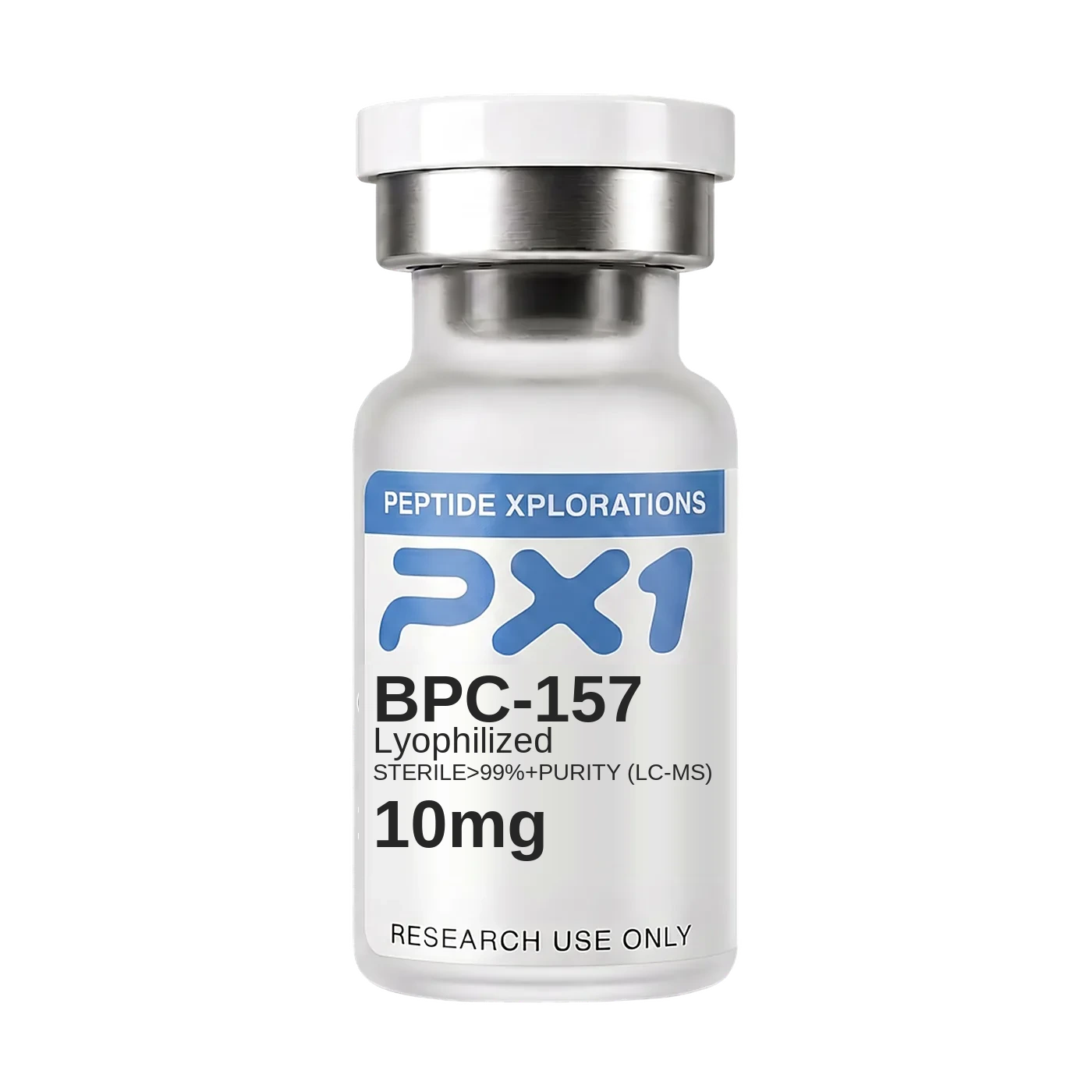
Reviewed By
PX1 QC — Analytical Chemistry Team
Every article is reviewed by PX1's in-house analytical team for accuracy on mechanism, dosing ranges reported in the literature, and lab-handling guidance. We do not publish clinical or medical advice.
Quick answer
BPC-157 is a 15-residue synthetic peptide with 200+ preclinical publications on tissue repair and GI integrity. Mechanism and handling.
Key takeaways
- Upregulation of VEGF and eNOS, supporting angiogenesis
- Modulation of the nitric oxide system
- Interaction with growth hormone receptor expression
- Effects on serotonergic and dopaminergic systems in some animal models
What BPC-157 is
BPC-157 (Body Protective Compound-157) is a 15-amino-acid synthetic peptide derived from a partial sequence of a protein isolated from human gastric juice. It has been studied extensively in animal models — over 200 published papers — for effects on tissue repair, angiogenesis, and gastrointestinal integrity.
Mechanism
BPC-157 does not have a single identified receptor. Its effects appear mediated through several pathways:
- Upregulation of VEGF and eNOS, supporting angiogenesis
- Modulation of the nitric oxide system
- Interaction with growth hormone receptor expression
- Effects on serotonergic and dopaminergic systems in some animal models
Research areas
Preclinical studies report BPC-157 activity in models of:
- Tendon and ligament injury repair
- Muscle crush and transection injuries
- Inflammatory bowel disease
- Gastric ulceration
- Peripheral nerve injury
Human clinical trial data is limited. The vast majority of the BPC-157 literature is animal work.
Half-life and routes
BPC-157 half-life is short — under 30 minutes in serum in rodent studies. Research protocols typically use subcutaneous or intramuscular administration. Oral bioavailability is debated; several animal studies report oral efficacy despite the short serum half-life, suggesting local GI activity.
Laboratory handling
BPC-157 is supplied lyophilized, stable at room temperature 18–24 months sealed. Reconstitution with bacteriostatic water; refrigerated storage of reconstituted solution and use within 30 days is standard.
Purity considerations
BPC-157 sequence variants (deletion sequences, incorrect residues) are the most common quality issue. Verify:
- HPLC ≥99% with published chromatogram
- LC-MS identity for the exact 15-residue sequence
- Endotoxin (LAL) result
PX1 publishes chromatograms per lot at /purity-reports.
Regulatory status
In late 2023, FDA removed BPC-157 from the list of substances eligible for compounding under 503A. It remains available for laboratory research purposes only.
Research use only.